admin
How Difficult Is Driving in Uganda?CarrentalUganda– Driving in Uganda can be an exciting way to explore the country. From the busy streets of Kampala to the beautiful countryside, national parks, lakes, and mountain landscapes, travelling by road gives visitors the freedom to discover Uganda at their own pace.
However, driving in Uganda can also be challenging, especially for first-time visitors. Traffic congestion, changing road conditions, unpredictable driving habits, and unfamiliar routes can make some journeys demanding.
So, how difficult is driving in Uganda? The answer depends on where you are travelling, your driving experience, the type of vehicle you choose, and whether you are familiar with local road conditions.
At Supreme Car Rental Uganda, we help visitors explore Uganda through reliable self-drive car rentals and professional chauffeur-driven services. This guide explains what to expect when driving in Uganda and how to make your journey safer and more comfortable.
1. Driving in Kampala Can Be Challenging
Kampala is Uganda’s capital and largest city. It is also one of the busiest places to drive, particularly during morning and evening rush hours.
Traffic congestion is common around major roads, business centres, shopping areas, and busy junctions. You may also encounter motorcycles, pedestrians, taxis, roadside vendors, and vehicles stopping unexpectedly.
For visitors who are used to quieter roads, driving in Kampala can initially feel overwhelming.
Our advice: Allow extra time for city journeys, remain patient, maintain a safe following distance, and avoid unnecessary lane changes. If you are unfamiliar with Kampala, hiring a professional driver can make your movement around the city much easier.
2. Uganda Drives on the Left
One important thing visitors should understand is that Uganda follows a left-hand traffic system.
This means vehicles drive on the left side of the road, and the driver’s seat is on the right-hand side of the vehicle.
For visitors from countries where people drive on the right, this may take some adjustment. Roundabouts, junctions, overtaking, and turning require extra attention.
Before starting a long journey, take time to familiarise yourself with the vehicle and the local traffic system.
3. Road Conditions Vary Across the Country
Road conditions in Uganda differ considerably depending on the location.
Major highways connecting Kampala to towns such as Jinja, Masaka, Mbarara, Fort Portal, Gulu, and Mbale are generally paved. However, some sections may have potholes, roadworks, heavy traffic, or uneven surfaces.
The situation can be different when travelling to remote communities, national parks, and rural tourist destinations. Some roads are unpaved and may become muddy or slippery during rainy periods.
For example, journeys to Bwindi Impenetrable National Park, Mgahinga Gorilla National Park, and certain parts of Queen Elizabeth National Park may involve rough or steep sections.
A suitable 4×4 vehicle is recommended for many remote safari routes, particularly during the rainy season.
4. Is Driving in Uganda Difficult During the Rainy Season?
Rain can make driving more challenging in Uganda.
The country’s main rainy periods generally occur from March to May and September to November, although weather conditions can vary.
During heavy rainfall, some rural roads become slippery, muddy, or difficult to pass. Waterlogged sections, reduced visibility, and occasional flooding can also affect travel.
If you are planning a self-drive safari during the rainy season, choosing the right vehicle is important.
A Toyota Land Cruiser Prado or another suitable 4×4 vehicle can provide better capability on rough and muddy roads than a standard two-wheel-drive car. However, even a 4×4 vehicle cannot safely cross every flooded or impassable road.
Always check local road conditions before travelling to remote destinations.
5. Road Users and Local Driving Habits
Another challenge for foreign visitors is adjusting to local driving habits.
In busy towns, you may encounter motorcycles commonly known as boda bodas, public taxis, pedestrians, cyclists, and large commercial vehicles sharing the same roads.
Some drivers may change lanes unexpectedly, stop without much warning, or overtake in situations that require caution.
The best approach is defensive driving. Always anticipate possible hazards, maintain a safe distance, use your indicators, and avoid competing with other road users.
Never assume that another driver will automatically give you the right of way.
6. Is It Safe to Drive at Night in Uganda?
Night driving requires extra caution.
Some roads outside major towns have limited street lighting. You may also encounter pedestrians, cyclists, motorcycles, animals, and vehicles with inadequate lighting.
Visibility can become particularly difficult during rain or fog.
For visitors planning long-distance journeys, we recommend travelling during daylight hours whenever possible. Avoid driving unfamiliar rural routes late at night.
If you are arriving at Entebbe International Airport late in the evening, arranging an airport transfer with a professional driver is a convenient option.
7. Which Vehicle Is Best for Driving in Uganda?
Choosing the right vehicle can make a significant difference to your travel experience.
The best option depends on your itinerary, the number of passengers, your luggage, and the type of roads you intend to use.
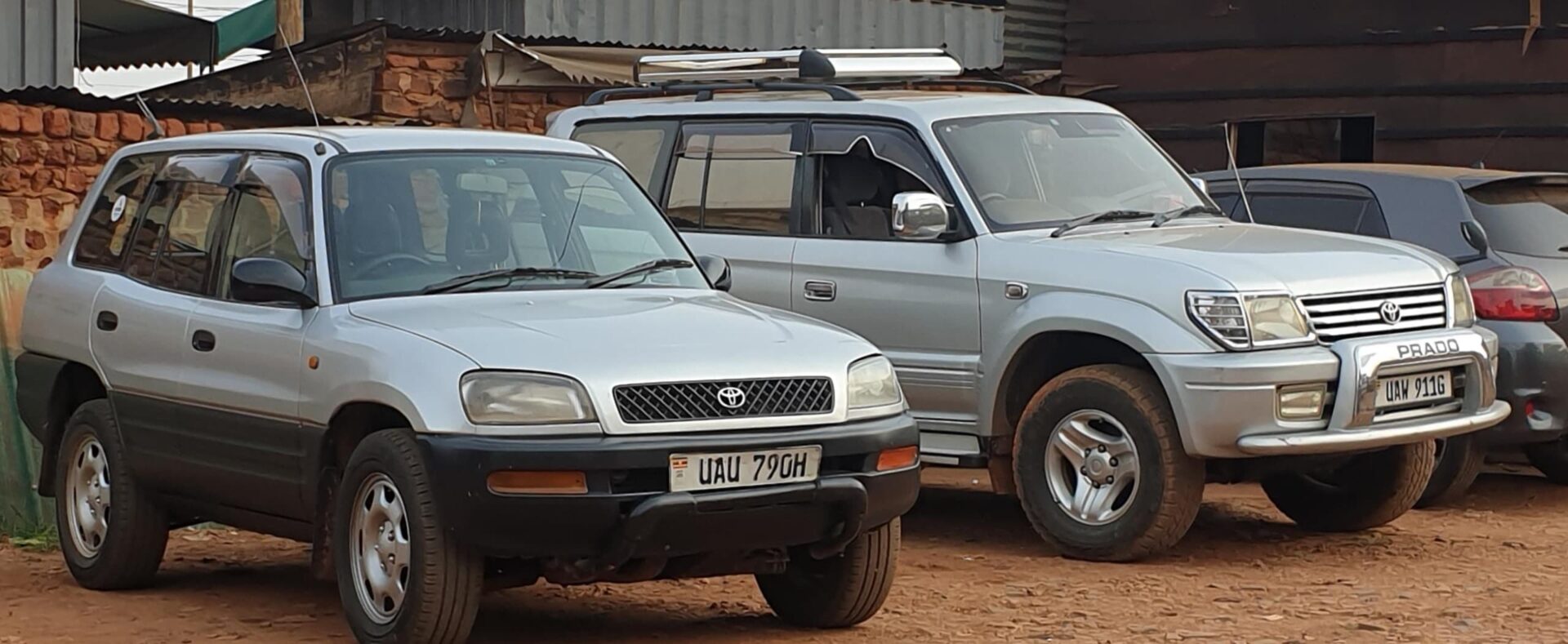
Toyota RAV4
The Toyota RAV4 is a practical option for visitors planning to explore Uganda’s main towns, cities, and accessible tourist destinations.
It is suitable for couples, small families, and travellers who want an economical 4×4 option.
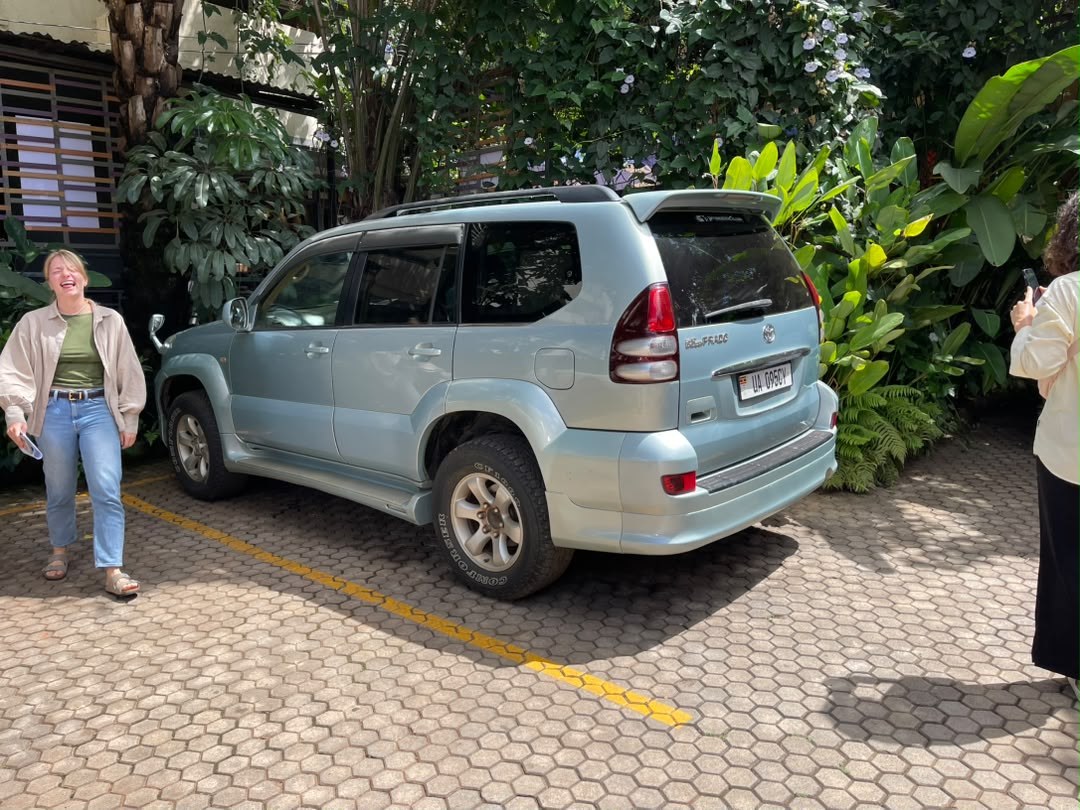
Toyota Land Cruiser Prado TX or TXL
The Toyota Land Cruiser Prado is a popular choice for longer journeys and safari travel.
It offers more space, comfort, and capability on rougher roads. It is particularly suitable for visitors travelling to national parks and remote destinations.
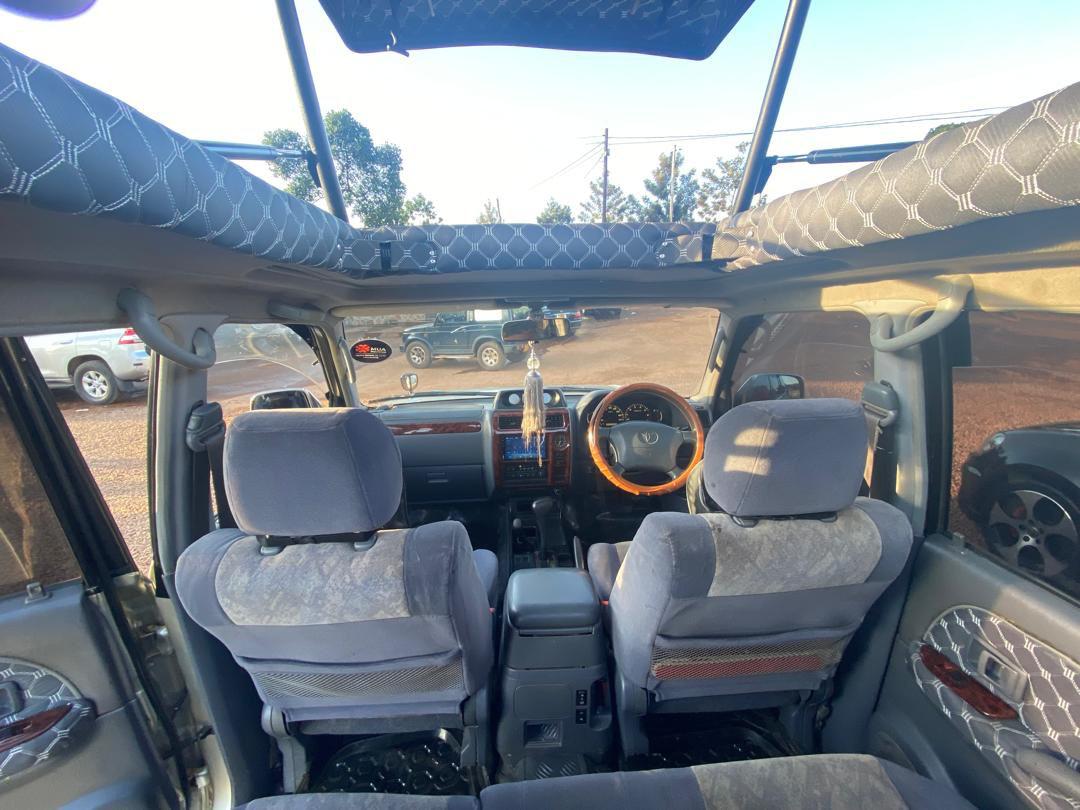
Safari Land Cruiser with Pop-Up Roof
For wildlife safaris, a Land Cruiser with a pop-up roof is an excellent choice.
It allows passengers to enjoy elevated views during game drives and provides a comfortable safari experience.
Toyota Noah
The Toyota Noah is a comfortable option for airport transfers, family trips, and journeys on suitable paved roads. It is not a substitute for a proper 4×4 when travelling on difficult off-road routes.
8. What Documents Do You Need to Drive in Uganda?
Before renting a car and driving in Uganda, make sure you have the necessary documents.
These generally include:
- A valid driving licence recognised for use in Uganda.
- An International Driving Permit where required or recommended.
- Vehicle registration documents.
- Valid vehicle insurance documents.
- Your passport or other identification.
Foreign visitors should confirm the driving requirements that apply to their nationality and licence before travelling.
When renting a vehicle, also make sure you understand the rental agreement, insurance coverage, mileage policy, and roadside assistance arrangements.
9. Is Self-Drive Better Than Hiring a Driver in Uganda?
Both options have advantages. Your choice depends on your confidence, travel experience, and itinerary.
Self-drive car rental is ideal for independent travellers who enjoy exploring at their own pace. You can choose when to leave, where to stop, and how long to spend at different destinations.
Chauffeur-driven car rental is recommended for visitors who prefer a more relaxed journey. A professional local driver understands the roads, knows alternative routes, and can assist with travel logistics.
For long-distance safaris, business trips, and journeys to remote destinations, hiring an experienced driver-guide can make travelling considerably easier.
At Supreme Car Rental Uganda, we offer both self-drive and chauffeur-driven vehicle options.
10. Practical Tips for Driving in Uganda
If you are planning to drive yourself, the following tips will help you prepare:
- Drive on the left: Remember that Uganda follows a left-hand traffic system.
- Avoid speeding: Adjust your speed to the road conditions and obey posted limits.
- Watch out for motorcycles: Boda bodas are common, particularly in towns and cities.
- Avoid unnecessary night driving: Plan long journeys during daylight hours.
- Choose the right vehicle: Consider a suitable 4×4 for remote areas and rough roads.
- Check the weather: Rain can affect road conditions, especially in rural areas.
- Keep enough fuel: Refuel before travelling to remote destinations.
- Carry your documents: Keep your driving licence, vehicle documents, and insurance information accessible.
- Wear your seatbelt: Ensure all passengers use seatbelts.
- Inspect your rental vehicle: Check the tyres, lights, brakes, spare wheel, and essential equipment before departure.
11. Should You Rent a Car or Hire a Driver in Uganda?
If you are visiting Uganda for the first time, choosing between self-drive and chauffeur-driven travel can be difficult.
For short city visits and airport transfers, a professional driver can save you time and reduce the stress of navigating unfamiliar roads.
For experienced drivers who want independence, self-drive car rental is an excellent way to explore the country.
For safaris involving long distances, rough roads, and several national parks, a chauffeur-driven 4×4 is often the more comfortable choice.
The important thing is to select a vehicle and travel arrangement that match your itinerary.
Frequently Asked Questions About Driving in Uganda
1. Is driving in Uganda difficult for foreigners?
It can be challenging for first-time visitors, particularly in Kampala and on rural roads. However, with proper preparation, a suitable vehicle, and careful driving, many visitors successfully explore Uganda by road.
2. Can tourists drive themselves in Uganda?
Yes. Visitors can drive themselves provided they have a valid driving licence recognised in Uganda and meet the applicable legal requirements.
3. Do I need a 4×4 to drive in Uganda?
Not everywhere. A regular car is suitable for many paved roads and urban journeys. However, a 4×4 is recommended for remote destinations, national parks, and challenging road conditions.
4. Is it safe to drive from Entebbe to Kampala?
The route is commonly travelled, but traffic congestion and road safety risks require caution. Allow sufficient time, follow road signs, and consider arranging an airport transfer if you are unfamiliar with the area.
5. Can I drive to Bwindi Impenetrable National Park?
Yes. Bwindi can be reached by road, but some access routes are steep, winding, and rough. A suitable 4×4 vehicle is recommended.
6. Should I hire a driver for a Uganda safari?
Hiring an experienced driver-guide is a good option, especially if you are unfamiliar with Uganda’s roads or planning a long safari involving several destinations.
7. Which car is best for a Uganda road trip?
The Toyota RAV4 is suitable for many ordinary road trips. For longer safari journeys and rougher roads, a Toyota Land Cruiser Prado or safari Land Cruiser is generally a better option.
Book Your Car Rental in Uganda with Supreme Car Rental Uganda

Driving in Uganda does not have to be stressful. With the right vehicle, proper planning, and reliable support, you can enjoy an unforgettable road trip across the country.
At Supreme Car Rental Uganda, we offer reliable 4×4 vehicles for self-drive and chauffeur-driven travel. Whether you need a Toyota RAV4, Land Cruiser Prado, safari Land Cruiser, or a comfortable vehicle for an airport transfer, our team is ready to assist.
We provide professional driver-guides, well-maintained vehicles, flexible rental arrangements, and support throughout your journey.
Whether you are visiting Kampala, exploring Murchison Falls National Park, travelling to Queen Elizabeth National Park, or heading to Bwindi for gorilla trekking, we can help you choose the right vehicle.
Contact Supreme Car Rental Uganda today:
- Website: www.supremecarrentaluganda.com
- Email: info@supremecarrentaluganda.com
- Call / WhatsApp: +256 742 874045
Choose Supreme Car Rental Uganda and enjoy a comfortable, reliable, and memorable journey.