admin
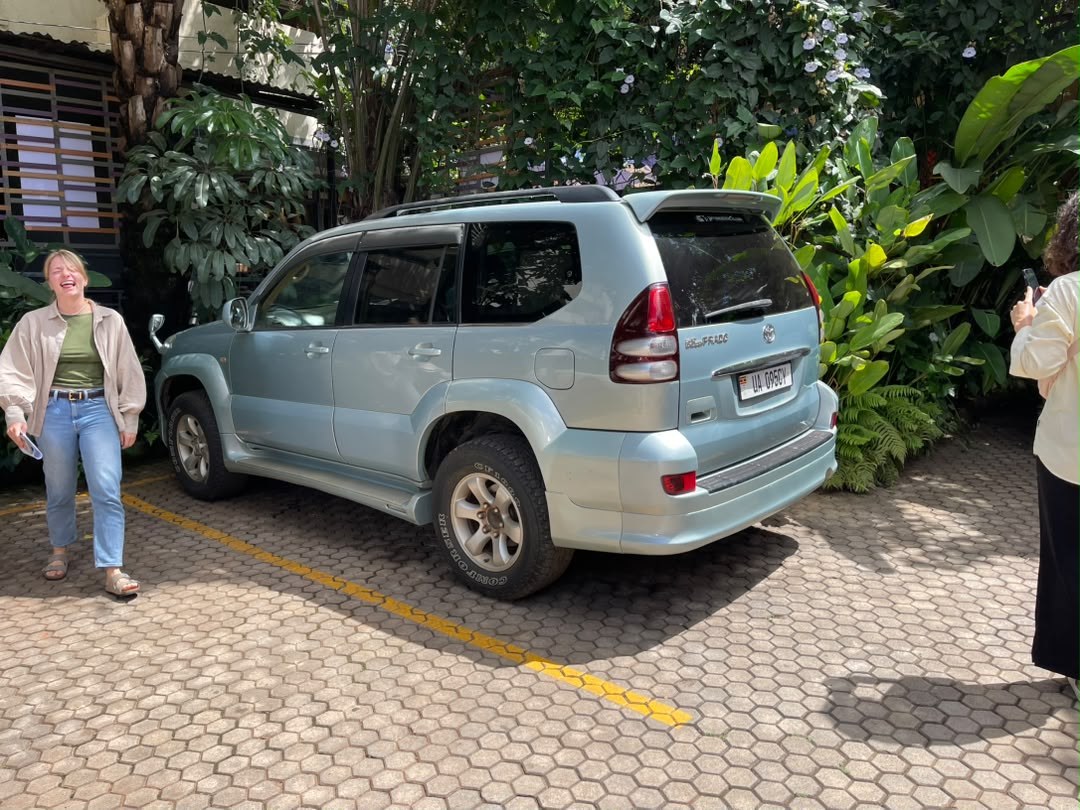
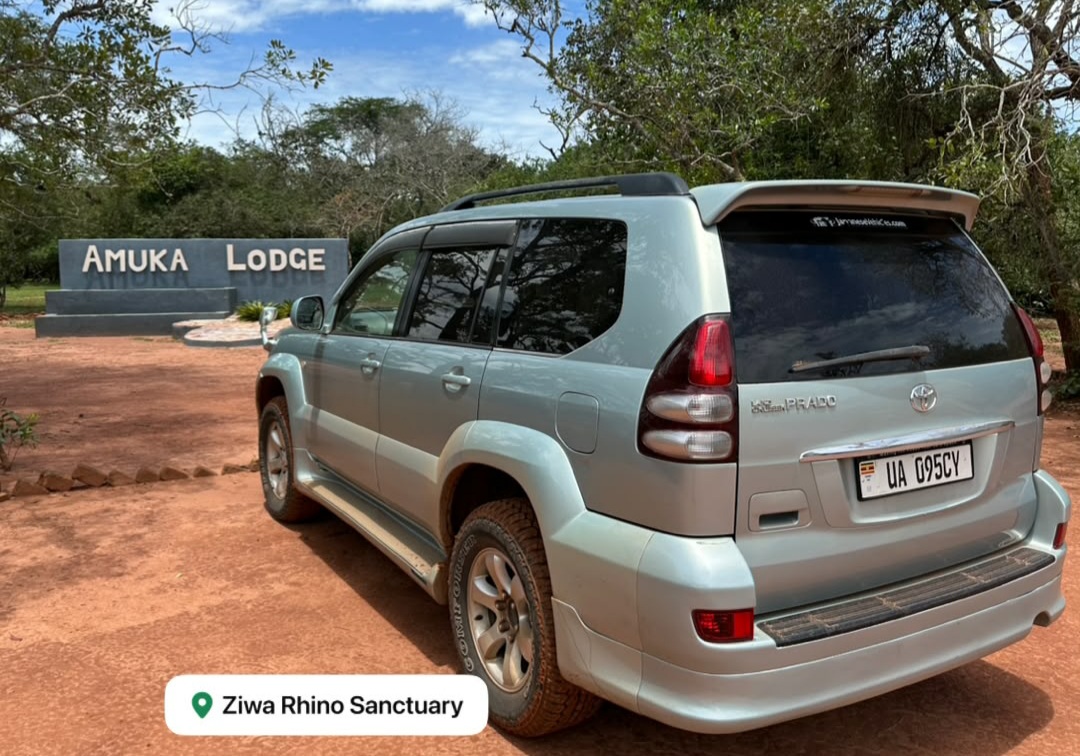
Is Uganda Good for a Self-Drive Safari? The Ultimate Guide– Uganda is one of the most rewarding destinations in East Africa for a self-drive safari. The country offers beautiful landscapes, diverse wildlife, tropical forests, mountain scenery, and some of Africa’s most memorable wildlife experiences. Travelling by your own rental vehicle gives you the freedom to explore at your own pace, choose your preferred stops, and enjoy the journey without following a fixed group itinerary.
From the open savannahs of Queen Elizabeth National Park to the spectacular Murchison Falls and the forests of Bwindi, Uganda offers plenty of opportunities for an unforgettable road adventure.
However, a successful self-drive safari requires preparation. You need a suitable 4×4 vehicle, a realistic itinerary, knowledge of local driving conditions, and an understanding of national park regulations.
At Supreme Car Rental Uganda, we help visitors choose suitable vehicles for self-drive holidays and safari adventures across Uganda. This guide explains why Uganda is a good destination for self-drive safaris, where to go, which vehicles to choose, and what to know before setting off.
1. Why Is Uganda Good for a Self-Drive Safari?
Uganda is an excellent self-drive destination because its national parks offer different wildlife experiences and are connected by a network of highways and rural roads.
Here are some of the main reasons travellers choose self-drive safaris in Uganda.
Freedom and Flexibility
One of the biggest advantages of self-driving is freedom. You decide when to leave, where to stop, and how much time to spend at each destination.
You can spend extra time watching elephants, stop for photographs, visit local communities, or enjoy scenic viewpoints along the way.
Unlike a group safari, you do not have to follow another traveller’s schedule.
Diverse Wildlife Experiences
Uganda offers several different wildlife experiences within one country. You can see elephants, lions, buffaloes, giraffes, hippos, zebras, antelopes, and many bird species.
You can also include chimpanzee tracking and gorilla trekking in the same trip. These activities are conducted on foot with authorised guides and rangers rather than by driving through the forest.
Beautiful Scenic Routes
The journey between Uganda’s national parks is an attraction in itself. You will pass green countryside, rolling hills, lakes, traditional villages, tea plantations, and spectacular mountain landscapes.
The drive can be just as memorable as the wildlife experience.
Suitable for Different Budgets
Self-drive safaris can offer flexibility when planning your travel budget. You can choose your own accommodation, decide how many days to spend in each park, and select a vehicle that suits your needs.
However, remember to budget for fuel, park entry fees, accommodation, activities, and vehicle rental.
2. Best National Parks for a Self-Drive Safari in Uganda
Uganda has several national parks suitable for independent road trips. The best choice depends on your interests, available time, and driving experience.
Murchison Falls National Park
Murchison Falls is one of Uganda’s most popular safari destinations. It is famous for the powerful waterfall where the River Nile forces its way through a narrow gorge.
The park also offers excellent opportunities to see elephants, giraffes, buffaloes, lions, antelopes, and hippos.
Popular activities include:
- Game drives across the savannah.
- A boat cruise along the River Nile.
- Visiting the top of Murchison Falls.
- Birdwatching.
- Exploring the park’s different wildlife viewing areas.
A 4×4 vehicle is recommended, especially for the game drive tracks and during rainy conditions.
Queen Elizabeth National Park
Queen Elizabeth National Park is another excellent destination for a self-drive safari.
The park is known for its elephants, buffaloes, lions, leopards, hippos, and diverse birdlife. Its landscapes include savannah plains, crater lakes, wetlands, and forests.
Popular activities include:
- Game drives in the Kasenyi Plains.
- A boat cruise along the Kazinga Channel.
- Exploring the crater lakes.
- Visiting the Ishasha sector, famous for its tree-climbing lions.
- Birdwatching.
A self-drive visitor can explore many areas independently, although a local ranger or professional guide can improve wildlife spotting.
Lake Mburo National Park
Lake Mburo is one of the most convenient national parks for travellers starting their safari in Kampala or Entebbe.
It is known for zebras, giraffes, impalas, buffaloes, and other wildlife. The park also offers beautiful lakes and rolling landscapes.
Activities include:
- Game drives.
- Boat trips on Lake Mburo.
- Birdwatching.
- Guided nature walks.
- Cycling experiences where organised and permitted.
Lake Mburo is a good option for a shorter safari or as a first stop on a longer journey to western Uganda.
Bwindi Impenetrable National Park
Bwindi is famous for mountain gorilla trekking and its ancient tropical rainforest.
A self-drive visitor can travel to the park’s different sectors, including Buhoma, Ruhija, Rushaga, and Nkuringo, depending on the permit and accommodation arrangements.
However, gorilla trekking itself is not a self-drive activity. Visitors must attend the official briefing and trek with authorised park guides and trackers.
The roads around Bwindi can be steep, winding, and challenging, particularly during rainy periods. A capable 4×4 is strongly recommended.
Kibale National Park
Kibale is one of Uganda’s best destinations for chimpanzee tracking.
The surrounding area is beautiful, with crater lakes, tea plantations, forest scenery, and local communities.
You can drive yourself to the park’s visitor briefing point and arrange your chimpanzee tracking activity in advance.
Chimpanzee tracking takes place on foot with authorised guides.
Kidepo Valley National Park
For adventurous travellers seeking a remote wilderness experience, Kidepo Valley National Park is an excellent choice.
Located in northeastern Uganda, Kidepo offers beautiful open landscapes, rugged mountains, and diverse wildlife.
It is home to lions, elephants, buffaloes, giraffes, zebras, and several antelope species.
However, Kidepo is much farther from Kampala than most other national parks. Travellers should allow enough time, plan fuel stops carefully, and use a well-maintained 4×4 vehicle.
3. Which Vehicle Is Best for a Self-Drive Safari in Uganda?
Choosing the right vehicle is one of the most important decisions when planning a self-drive safari.
Although some destinations can be reached using ordinary vehicles, a 4×4 is generally the better option for safari travel.
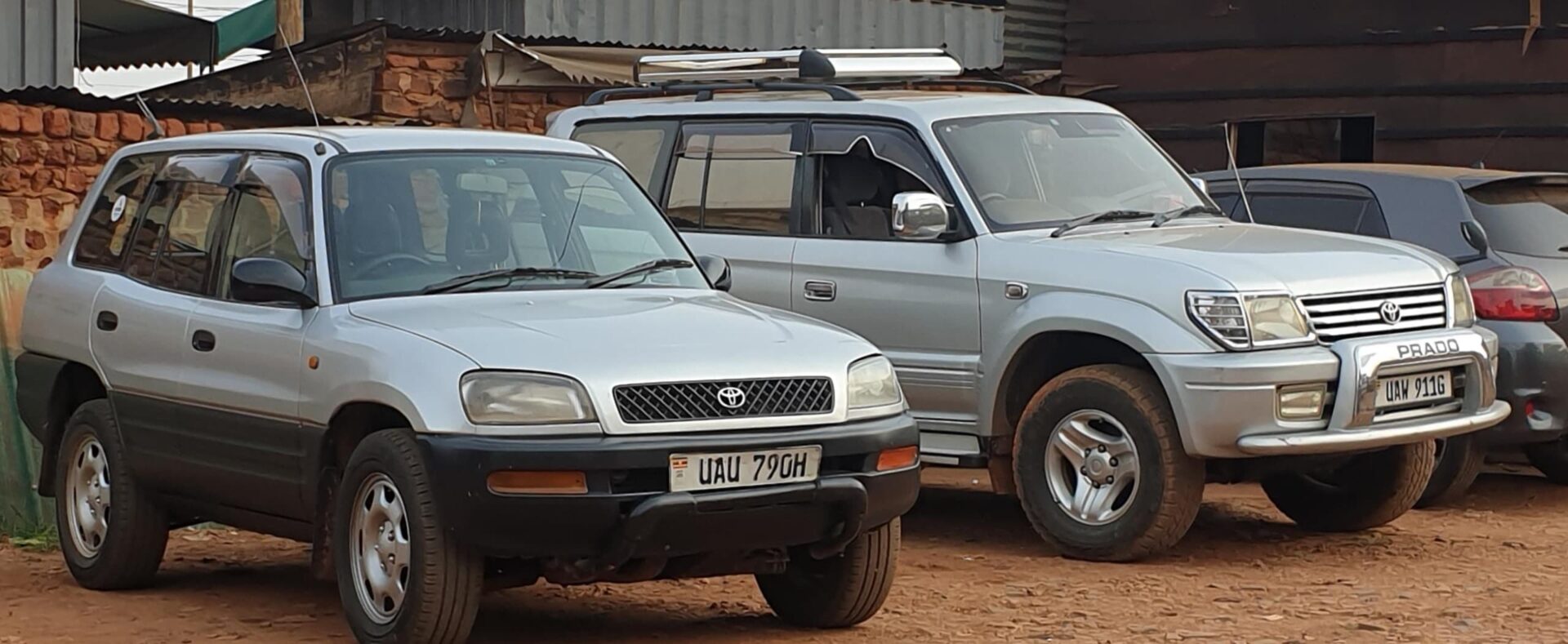
Toyota RAV4
The Toyota RAV4 is a popular option for travellers looking for an affordable and economical 4×4 rental.
It is suitable for many paved roads and reasonably maintained dirt roads. It can work well for shorter trips and selected safari routes when road conditions are favourable.
However, it has less ground clearance and off-road capability than a Land Cruiser. It may not be the best choice for very rough tracks, steep sections, or difficult muddy conditions.
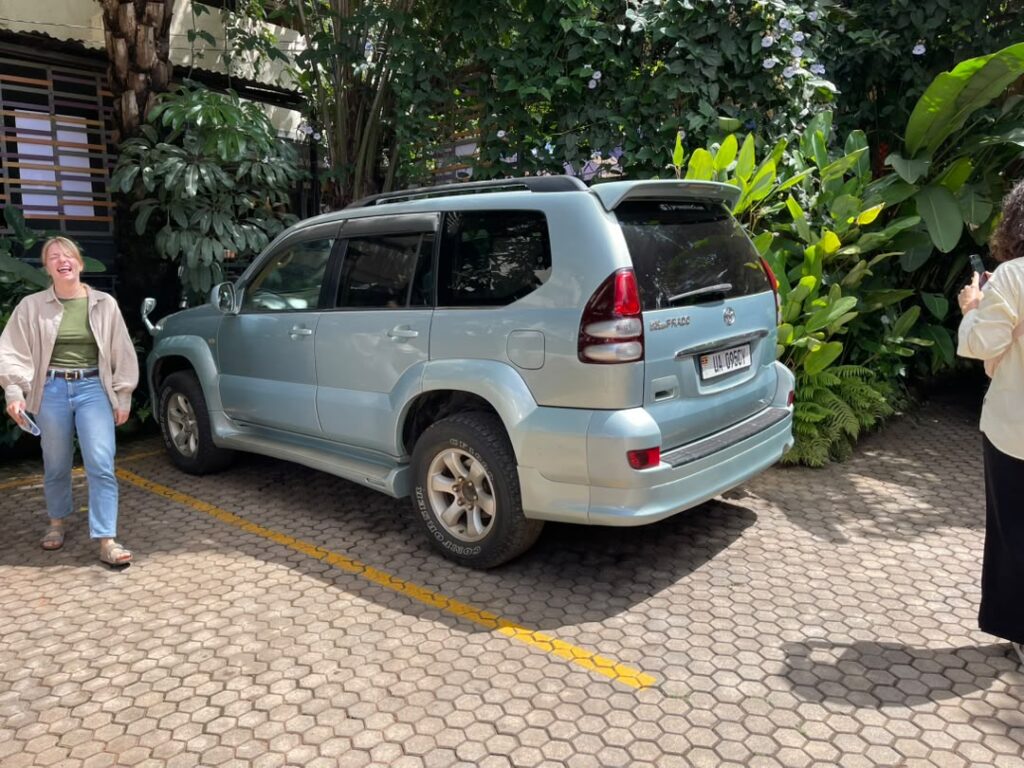
Toyota Land Cruiser Prado TX or TXL
The Toyota Land Cruiser Prado is one of the best all-round choices for a Uganda self-drive safari.
It offers:
- Strong 4×4 capability.
- Good ground clearance.
- Comfortable seating.
- Suitable luggage space.
- Better performance on rough roads.
- Greater confidence on longer safari routes.
It is a particularly good choice for travellers visiting several national parks during one trip.
Safari Land Cruiser with Pop-Up Roof
A safari Land Cruiser with a pop-up roof is an excellent option for wildlife photography and game viewing.
The raised roof allows passengers to stand inside the vehicle and observe wildlife more comfortably during game drives.
This type of vehicle is particularly useful for guided safaris, photography trips, and travellers who want a dedicated safari experience.
For independent travellers, confirm whether the vehicle is available for self-drive and whether the rental agreement permits your intended use.
4. Is It Safe to Drive Yourself in Uganda?
Yes, many visitors enjoy self-drive holidays in Uganda. However, driving conditions can be different from those in Europe, North America, or other familiar destinations.
You should be prepared for:
- Heavy traffic in Kampala and other busy towns.
- Motorcycles, cyclists, and pedestrians.
- Livestock crossing rural roads.
- Potholes and uneven road surfaces.
- Dusty roads during dry weather.
- Muddy and slippery roads during rainy periods.
- Long distances between some safari destinations.
Drive defensively, maintain a safe distance, and avoid unnecessary overtaking.
It is also advisable to avoid driving long distances at night, particularly on unfamiliar rural roads. Plan to reach your accommodation before dark whenever possible.
If you are unfamiliar with Uganda’s road conditions, consider hiring a professional driver for at least part of your journey.
5. What Are the Rules for Self-Drive Safaris in Uganda’s National Parks?
National parks have rules designed to protect wildlife and visitors. You should understand them before entering a protected area.
Important rules include:
- Follow the designated game drive tracks.
- Observe the applicable park speed limit, generally 40 km/h.
- Do not feed or disturb wildlife.
- Do not sound your horn to attract animals.
- Do not litter.
- Keep a safe distance from dangerous animals.
- Do not get out of the vehicle except at authorised locations.
- Follow instructions from park rangers and officials.
Park opening and closing times should also be checked before your visit. Uganda Wildlife Authority park information lists standard gate hours of 7:00 AM to 7:00 PM, but confirm the current arrangements for your destination.
Remember that wild animals can behave unpredictably. Never approach elephants, lions, buffaloes, or other dangerous animals simply to get a closer photograph.
6. How Much Does a Self-Drive Safari in Uganda Cost?
The cost of a self-drive safari depends on several factors, including the vehicle, rental duration, accommodation, fuel consumption, park fees, and activities.
Your budget should account for the following:
Vehicle Rental
The daily rental rate depends on the vehicle model and rental terms.
A Toyota RAV4 is generally more economical than a Land Cruiser Prado, while specialised safari vehicles may cost more.
Ask whether the quotation includes comprehensive insurance, third-party insurance, unlimited mileage, and roadside assistance.
Fuel
Fuel is usually paid separately from the vehicle rental rate.
The amount you spend depends on the distance travelled, road conditions, vehicle type, and driving style.
Longer itineraries involving Murchison Falls, Kibale, Queen Elizabeth, and Bwindi will require a larger fuel budget.
National Park Fees
You should budget for park entrance fees and any applicable vehicle charges.
Additional activities such as boat cruises, guided game drives, chimpanzee tracking, and gorilla trekking may have separate fees.
Check the latest charges directly with Uganda Wildlife Authority before travelling because tariffs can change.
Accommodation
Uganda offers budget guesthouses, campsites, midrange lodges, and luxury safari accommodation.
Booking accommodation early is particularly important during busy travel periods and when visiting destinations with limited lodging options.
Other Expenses
Also consider meals, drinks, parking, travel insurance, local activities, and any additional equipment required for your trip.
A written itinerary and budget will help you estimate the total cost before departure.
7. What Is the Best Time for a Self-Drive Safari in Uganda?
Uganda can be visited throughout the year, but weather conditions can affect road accessibility and wildlife viewing.
Dry Seasons
The relatively drier periods are generally from June to September and December to February.
These months are popular for self-drive safaris because many roads and game drive tracks are easier to navigate.
Wildlife may also be easier to spot around water sources during drier periods.
Rainy Seasons
The main rainy periods are generally March to May and October to November.
During these months, some rural roads and park tracks can become muddy and slippery.
However, the countryside becomes greener, birdwatching can be rewarding, and some lodges may offer more competitive rates.
If you plan to travel during rainy periods, choose a suitable 4×4 and allow extra time for journeys.
8. Suggested Self-Drive Safari Itineraries in Uganda
Your itinerary should match the number of days available and your preferred wildlife experiences.
Here are three popular route ideas.
5-Day Uganda Wildlife Safari
7-Day Uganda Wildlife and Primate Safari
10-Day Uganda Adventure Safari
Actual driving times depend on road conditions, stops, and accommodation locations. For longer journeys, consider adding an extra overnight stop rather than driving when tired.
9. Can You Track Gorillas and Chimpanzees on a Self-Drive Safari?
Yes. You can arrange a self-drive journey to Uganda’s gorilla and chimpanzee trekking destinations.
However, the trekking activities themselves must be conducted with authorised guides and park staff.
For gorilla trekking, you need a valid permit for the selected date and sector. The same applies to chimpanzee tracking, which should be arranged through the relevant authority or authorised booking channel.
Plan your accommodation and driving schedule around the permit briefing time. It is wise to arrive at the destination the day before your activity rather than attempting a long drive on the morning of the trek.
10. What Should You Pack for a Uganda Self-Drive Safari?
Good preparation makes your journey more comfortable.
Consider packing:
- A valid driving licence and required identification.
- A phone with offline maps.
- A power bank and charging cables.
- Comfortable clothing.
- Walking shoes or hiking boots.
- A rain jacket.
- Sunscreen and insect repellent.
- Binoculars.
- A camera.
- Drinking water and snacks.
- Basic personal medication.
- A small first-aid kit.
Before departure, also confirm that the rental vehicle has a usable spare tyre, jack, wheel spanner, and any other essential safety equipment.
11. Should You Choose Self-Drive or a Safari With a Driver?
Both options offer advantages. Your choice depends on your experience, budget, and preferred travel style.
Self-Drive Safari
A self-drive safari is suitable if you:
- Enjoy independent travel.
- Are comfortable driving in unfamiliar environments.
- Want flexibility over your itinerary.
- Prefer to manage your own travel schedule.
- Have experience driving 4×4 vehicles.
Chauffeur-Driven Safari
A safari with a professional driver-guide may be better if you:
- Are visiting Uganda for the first time.
- Prefer not to navigate unfamiliar roads.
- Want assistance with wildlife spotting.
- Have a busy itinerary.
- Prefer to relax during long journeys.
A professional safari driver can also share local knowledge, help with route planning, and coordinate activities along the way.
At Supreme Car Rental Uganda, travellers can enquire about both self-drive rentals and vehicles with professional drivers.
12. Book Your Self-Drive Safari Vehicle With Supreme Car Rental Uganda
Uganda is a wonderful destination for an independent safari, but the right vehicle and reliable rental support are essential.
Supreme Car Rental Uganda offers self-drive 4×4 vehicles for visitors exploring Uganda’s national parks, cities, countryside, and neighbouring destinations where cross-border arrangements are approved.
Our vehicle options include:
- Toyota RAV4 4×4.
- Toyota Land Cruiser Prado TX and TXL.
- Land Cruiser safari vehicles.
- Chauffeur-driven 4×4 vehicles.
Depending on your itinerary and availability, we can help you select a vehicle suitable for your route and travel requirements.
Before booking, share your travel dates, number of passengers, destinations, and preferred vehicle. We will provide a quotation and explain the applicable rental terms, insurance, and any additional arrangements.
Frequently Asked Questions About Self-Drive Safaris in Uganda
Is Uganda good for a first-time self-drive safari?
Yes, Uganda can be a rewarding destination for first-time self-drive travellers who prepare properly. Choose a suitable vehicle, plan realistic driving distances, and familiarise yourself with local road conditions and park regulations.
Do I need a 4×4 for a self-drive safari in Uganda?
A 4×4 is strongly recommended for many safari routes, especially when visiting remote lodges, rough park tracks, and areas that become muddy during rainy periods.
Can I drive a RAV4 to Uganda’s national parks?
A RAV4 can be suitable for several routes when road conditions are favourable. However, it has less ground clearance and off-road capability than a Land Cruiser Prado. Confirm the route with your rental company before booking.
Can I visit Murchison Falls on a self-drive safari?
Yes. Murchison Falls is a popular self-drive destination. You can explore designated game drive tracks, visit the top of the falls, and arrange a boat cruise on the Nile.
Can I go gorilla trekking without a tour company?
You can organise your own transport and accommodation, but gorilla trekking requires a valid permit and must be conducted with authorised park guides and trackers.
Is it safe to drive in Uganda at night?
Driving at night is generally less advisable, especially on unfamiliar rural roads. Poor visibility, pedestrians, motorcycles, livestock, and unexpected road conditions can increase the risk. Plan to complete long journeys during daylight.
Can I rent a car in Uganda for two or three weeks?
Yes. Many rental companies offer longer-term arrangements, depending on vehicle availability and rental conditions. Request a quotation covering your full travel period.
Can I take a self-drive rental car from Uganda to Kenya or Rwanda?
Cross-border travel may be possible with prior permission from the rental company and the required vehicle documents and insurance. Always arrange this before crossing the border.
Final Thoughts
Uganda is an excellent destination for a self-drive safari, offering a combination of wildlife, primates, beautiful landscapes, and memorable road journeys. From Murchison Falls and Queen Elizabeth to Kibale and Bwindi, there is plenty to discover.
The key to a successful trip is preparation. Choose the right 4×4, plan your route carefully, understand the rental agreement, and respect national park rules.
Whether you prefer a Toyota RAV4 for selected routes or a Land Cruiser Prado for a more demanding safari, Supreme Car Rental Uganda can help you find a suitable vehicle for your adventure.

Contact Supreme Car Rental Uganda
Website: https://www.supremecarrentaluganda.com/
Email: info@supremecarrentaluganda.com
Call / WhatsApp: +256 742 874045
Contact us today to book a reliable 4×4 vehicle for your Uganda self-drive safari.