admin
admin
A self-drive safari in Uganda is one of the most rewarding ways to see the country — tree-climbing lions in Queen Elizabeth National Park, chimpanzees in Kibale, the Nile roaring through Murchison Falls, all at your own pace, with no fixed group schedule holding you back. But first-timers tend to make the same avoidable mistakes, and some of them can turn a dream trip into a stressful, expensive one. Here are the ten self-drive safari mistakes to watch for.
1. Renting the Wrong Vehicle

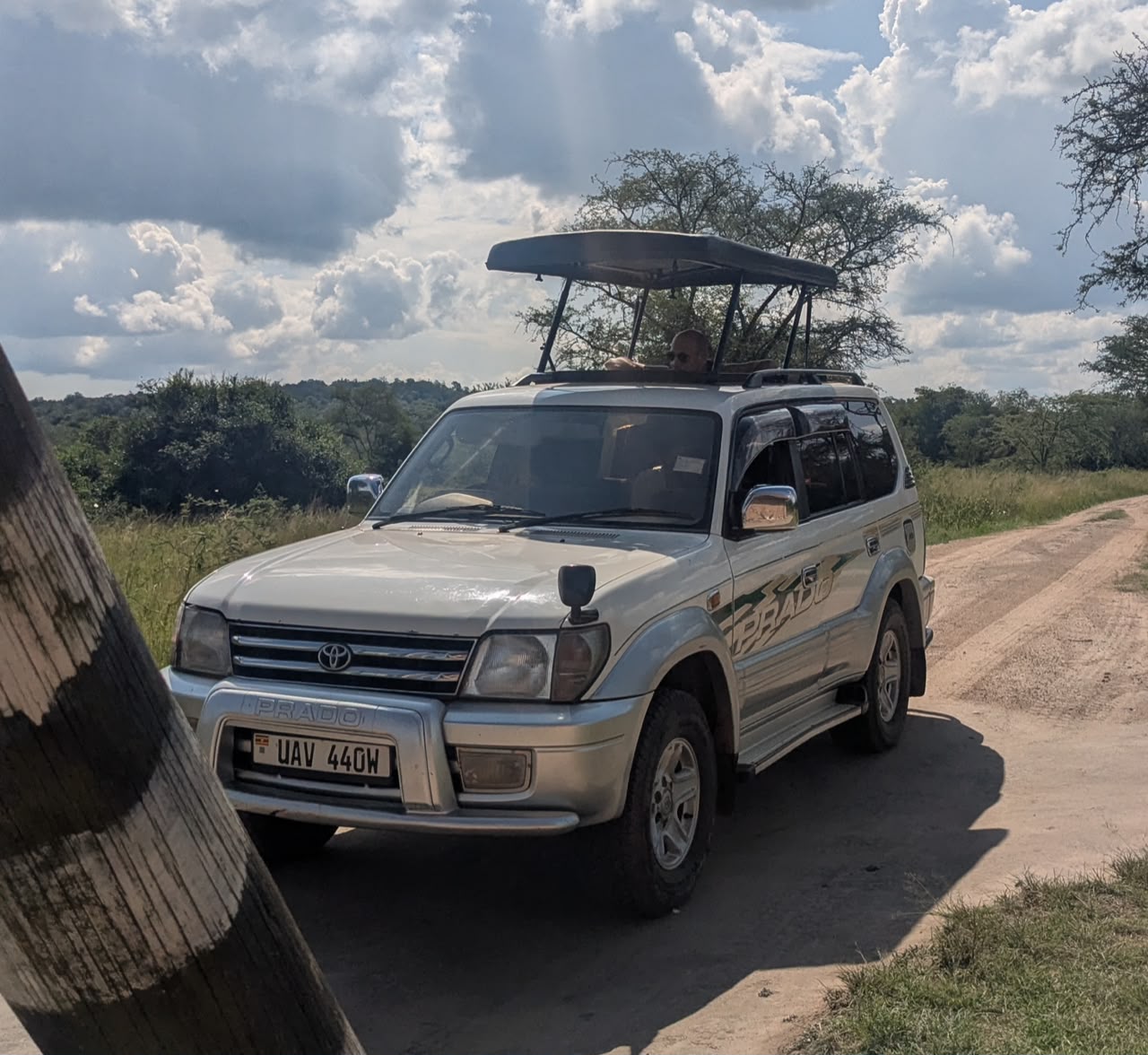
No piece of advice matters more than this one: don’t attempt a Uganda national park safari in a standard saloon car or two-wheel-drive vehicle. Highways between major towns are generally well paved, but roads leading into and within the parks are a completely different proposition — steep, winding murram tracks that a sedan simply can’t handle, especially after rain. Book a proper 4×4 (a Toyota Land Cruiser, Nissan Patrol, or similar) from the start.
2. Underestimating Driving Times
Uganda looks compact on a map, but road conditions make distances deceptive. A route that seems like a two-hour drive can easily take four once you factor in potholes, roadworks, weather, and the occasional herd of cattle crossing the road. Build generous buffers into your itinerary, depart early, and avoid scheduling anything time-sensitive — like a gorilla trekking briefing — on the same day as a long transfer.
3. Packing Too Many Destinations
Related to the above: many first-timers try to see too much in too little time. Fewer stops, done properly, beat a rushed loop through every park on the map. Build in rest days and slower mornings — some of the best moments of a Uganda self-drive happen when you’re not racing to the next checkpoint.
4. Booking Gorilla Trekking Permits Too Late
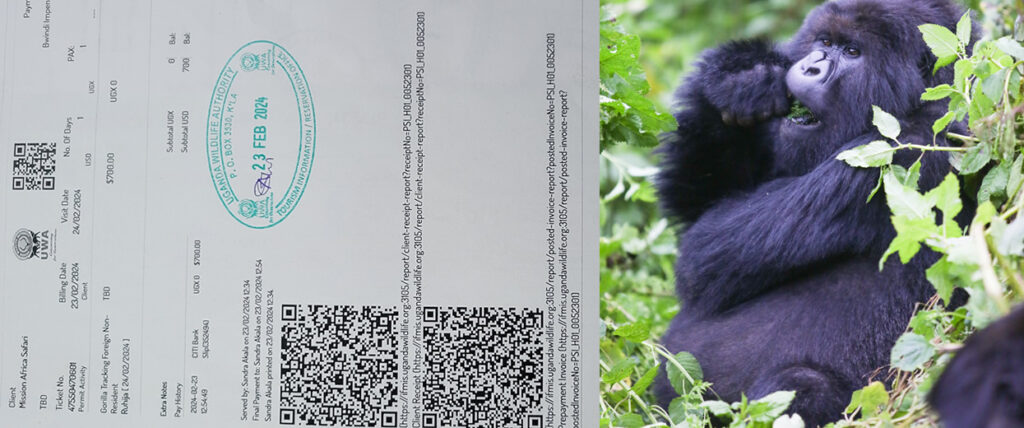
This is arguably the single most consequential mistake a first-time visitor can make. Gorilla trekking permits for Bwindi Impenetrable and Mgahinga Gorilla National Parks are strictly limited per gorilla family per day, and they sell out months ahead — especially in peak season (June–September and December–February). Turning up hoping to buy a permit on arrival almost never works. Book three to six months in advance for peak season, and up to twelve months ahead for the extended Gorilla Habituation Experience.
5. Skipping the Pre-Trip Vehicle Inspection
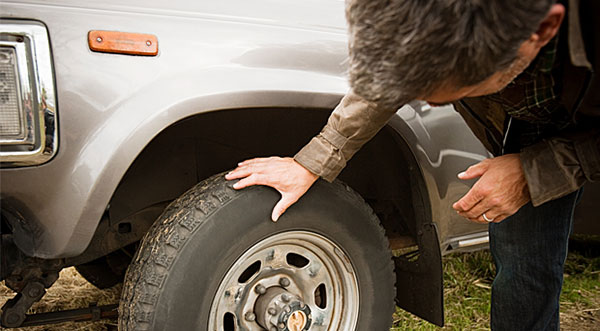
Before you leave the rental lot, walk around the car. Check the spare tyre, jack, tools, tyre tread, lights, and fluid levels. Small issues that seem trivial in Kampala can become serious problems on a remote stretch of road with no mechanic for miles.
6. Letting the Fuel Tank Run Low
Fuel stations thin out once you’re off the main highways, and some park routes have none at all. Refuel whenever your tank drops to half, always fill up before entering a national park, and carry emergency fuel if you’re heading somewhere remote.
7. Not Carrying the Right Documents — or Copies of Them
You’ll need your driving licence, an International Driving Permit if you have one, passport, vehicle registration, insurance certificate, and rental agreement on you at all times — checkpoints are common on major routes. Keep photocopies in a separate bag from the originals; if anything is lost or stolen, copies make resolving the situation with police or your rental company far easier.
8. Going Off-Track Inside the Parks

National parks aren’t theme parks — they’re functioning ecosystems managed by rangers who take the rules seriously. Driving off designated tracks is prohibited and can get you fined or ejected from the park on the spot. Stick to marked routes, and don’t approach wildlife closer than guidelines allow.
9. Underestimating Cash Needs
Card payments are becoming more common in Uganda, but plenty of lodges, fuel stations, and local vendors still prefer cash. Carry enough Ugandan shillings for fuel, tips, and small purchases, particularly in rural areas — and let your bank know you’re travelling internationally so your card isn’t flagged.
10. Ignoring Travel Insurance and Health Requirements
Uganda requires proof of yellow fever vaccination for all arriving travellers, with no exceptions — skip it and you risk being denied boarding or entry. Malaria prophylaxis is strongly advised, and comprehensive travel insurance matters more than it might seem: if you’re trekking in remote terrain and something goes wrong, medical evacuation isn’t cheap without cover.
Final Thought
None of these mistakes are hard to avoid once you know about them — they mostly come down to planning ahead, choosing the right vehicle, and respecting that Uganda’s roads and parks move at their own pace. Do that, and a self-drive safari here is genuinely one of the best road trips in Africa.
Road conditions, permit costs, and entry requirements can change, so confirm current details with your rental company or the Uganda Wildlife Authority shortly before you travel.
To book a rental car in Uganda for self drive safari – please contact us now by emailing to info@supremecarrentaluganda.com or Tel / WhatsApp: +256-742874045