admin
admin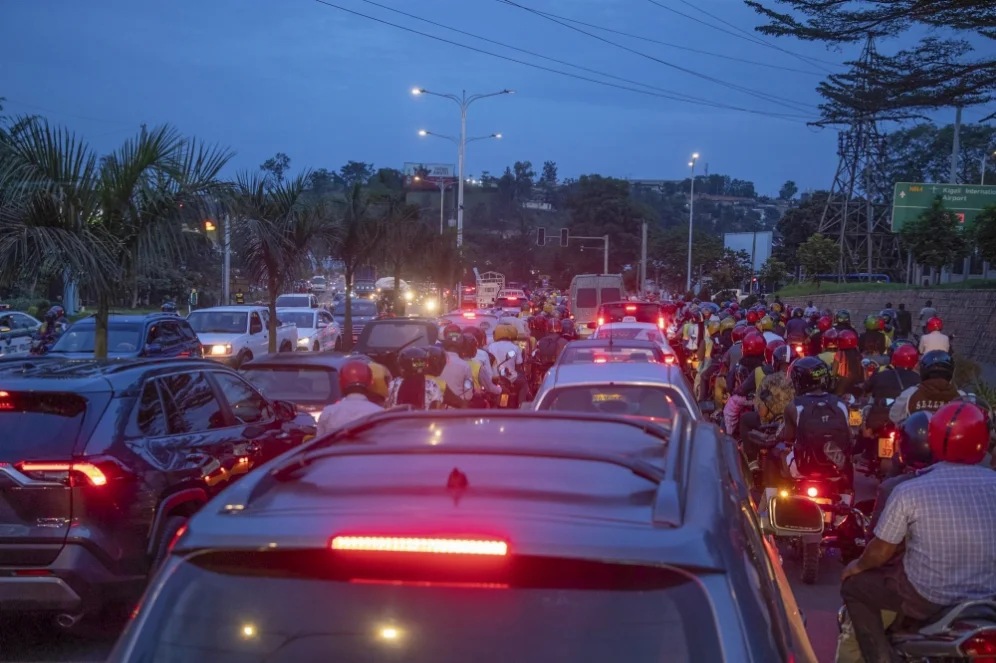
If there’s one piece of advice that comes up again and again from local operators, safety guides, and experienced self-drive travellers, it’s this: don’t drive in Uganda after dark. Road travel — not wildlife, not crime — is the leading practical risk tourists face in Uganda, and that risk climbs sharply once the sun goes down. Here’s why, and what to do if you can’t avoid it.
Why Night Driving Is So Much Riskier in Uganda
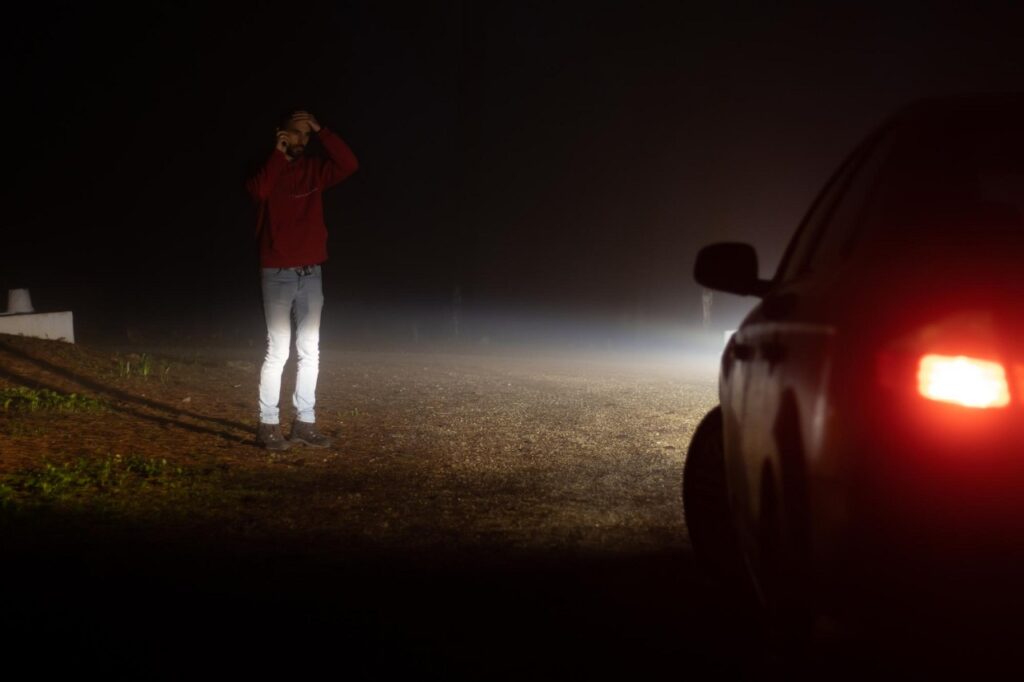
Roads are largely unlit. Outside major towns, streetlights are the exception, not the rule. Most rural roads and highways have no lighting at all, which makes it extremely hard to judge distances, spot hazards, or see the road surface clearly.
Hazards appear without warning. Livestock and wildlife wander onto roads at night, especially near national parks. Unlit bicycles, pedestrians, and broken-down trucks parked without hazard lights are common on rural stretches — all difficult to see until you’re nearly on top of them.
Potholes and road damage are hard to spot. Even on paved roads, potholes that are easy to avoid in daylight become genuinely dangerous once visibility drops.
Unfamiliar terrain compounds the risk. Winding, hilly routes — common in western and southwestern Uganda near Bwindi and Queen Elizabeth — are already demanding in daylight for drivers unused to the terrain. At night, judging bends, gradients, and oncoming traffic becomes considerably harder.
Security is a secondary but real concern. Isolated stretches of road at night carry a higher (if still relatively low) risk of opportunistic incidents like roadside robbery, particularly for travellers who look unfamiliar with the area.
The Simple Rule Most Guides Recommend
Plan to be off the road before sunset — generally by 6:30–7:00 PM. Most rental companies and safari operators advise driving only between roughly 6:00 AM and 7:00 PM. Structuring your day around this single rule eliminates the majority of night-driving risk without much sacrifice — it just means an earlier start.
How to Build Your Itinerary Around This
- Start early. Departing by 6:00–7:00 AM gives you maximum daylight for long drives between towns or parks.
- Build in buffers. Uganda’s road distances often take longer than they look on a map — factor in potholes, traffic, weather, and stops so you’re not racing the sunset.
- If you’re arriving on a late flight, stay put. Rather than pushing on to your next destination in the dark, book a night near the airport or your current location and continue in the morning.
- Know your sunset time. It shifts only slightly through the year near the equator, but check it for your travel dates and build your day’s driving around it.
If You Absolutely Must Drive After Dark
Sometimes circumstances force the issue — a delayed flight, an emergency, or an unavoidable late arrival. If that happens:
- Check every light before you set off. Low and high beams, indicators, brake lights, and hazards should all be tested and working.
- Clean your headlights and windows, inside and out. Dirty glass and misaligned or dim headlights dramatically worsen visibility and glare.
- Slow down significantly — well below your normal daytime pace. Drive at a speed that lets you stop safely within the distance your headlights actually illuminate.
- Increase your following distance from any vehicle ahead, and be alert for vehicles without functioning lights.
- Watch constantly for movement at the roadside — livestock, pedestrians, and cyclists can step into the road with little warning.
- Avoid isolated stretches where possible, and stick to routes with more regular traffic and habitation.
- Consider a local driver for this leg only, if one is available — someone familiar with the specific route has a real advantage after dark.
General Speed Guidelines (Day or Night)
Excessive speed is a leading cause of accidents in Uganda, and the margin for error narrows further at night:
- Open highway: around 80 km/h in daylight — reduce meaningfully at night.
- Towns and trading centres: around 40 km/h, where pedestrians and roadside activity are constant.
- Inside national parks: around 40 km/h or less, since wildlife can cross unpredictably at any time.
The Bottom Line
Night driving in Uganda isn’t impossible, but it multiplies risks that are already present during the day — poor lighting, unpredictable road users, and unfamiliar terrain. The advice from operators, safety guides, and experienced travellers is consistent: build your itinerary so you’re always parked for the night before dark. It costs you an earlier alarm clock, not much else — and it removes most of the danger from your trip.
If you’re concerned about a specific route or planning to arrive late, it’s worth checking current conditions and sunset times with your rental company or lodge before you travel.
Contact us to day to book a rental car for self drive in Uganda by emailing to info@supremecarrentaluganda.com or calling +256-742874045